
 How To Stop Mindless Eating When Stressed & Get Your Thinking Brain Back In Control
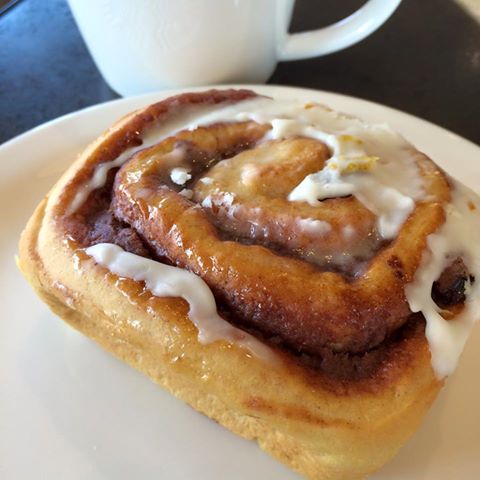
Do you hear yourself saying, “Why did I just eat that?”, “I know what I should eat, so why don’t I just do it?”, or “I’m so tired of fighting myself over food”?
If you eat mindlessly when you’re stressed, this isn’t a willpower problem or a personal flaw. It’s a brain-based response- a clash between your ‘thinking brain’ and your ‘survival brain’.
When we feel stressed or anxious, our nervous system enters fight-or-flight mode. Our ancient brain is hardwired for immediate physical threats, prioritising instant energy and survival above all else. When this gets triggered, you might feel completely out of control or act out of character, like overreacting angrily to a minor comment. Often, there is no real danger—just a biological response to stress.
While humans are able to retain the ability to reason through stress, doing so can require immense conscious effort. Stress hormones alter your brain chemistry to prioritise survival over deep thinking. Flooded with cortisol, your body craves quick energy to survive a perceived threat. This can make mindful choices feel impossible, turning food into the fastest way to self-regulate, even without physical hunger.
Why You Might Revert To Old Habits When Stressed
Under stress, your brain switches to autopilot to conserve energy. You naturally rely on deeply ingrained routines, like driving a familiar route, doing housework or putting the kettle on (or eating!). Consequently, it can become much harder to solve novel problems or practise new habits that require logical, focused, creative thinking. You can still make good decisions whilst stressed, but it drains your willpower- this is why you might feel physically and mentally exhausted after a high-functioning day of making choices, and for many people, the evenings can become the ‘danger zone’, where they find it hard to regulate their eating or make informed food choices, eating mindlessly such as whilst driving home or preparing the evening meal, or in front of the TV after dinner.
Modern Day Overwhelm
For ancient man, acute stress meant being chased by a wild animal, and that energy was spent running away. For modern man, acute stressors are sitting in traffic or tackling an overloaded inbox. Longer-term stressors include a difficult boss, redundancy, divorce, or poor sleep. Because we cannot physically run away from these situations, the stress manifests as overeating, weight gain, or poor health. This makes stress management vital for addressing emotional eating.
Survival mode is ideal for dodging a fast e-bike on a pavement. However, if your threat is a mountain of emails or a project deadline, that alertness works against you. Your brain scans for a physical enemy to fight, when what you actually need is slow, analytical reasoning.
The Neurobiology of Overwhelm: How Cortisol Hijacks Rational Thinking- Wired To React, Not Reflect
The Pre-Frontal Cortex (PFC) Shuts Down
The PFC is your ‘thinking brain’, handling logical reasoning, working memory, impulse control, and future planning. When cortisol and adrenaline spike, they rapidly weaken the neural connections in this area.
The Amygdala Takes Over
The amygdala is your brain’s emotional alarm system. It bypasses your to-do list and focuses entirely on survival, redirecting energy away from analytical thinking into rapid fight-or-flight reactions. With the PFC offline, your executive functions can suffer. Your brain struggles to sort information, gauge task importance, or consider the consequences of a choice. Stress biases us towards immediate relief (like a sugar hit) over long-term benefits and goals (like weight loss)- we’re wired to choose whatever removes the current pressure fastest.
The Brain Seeking Safety
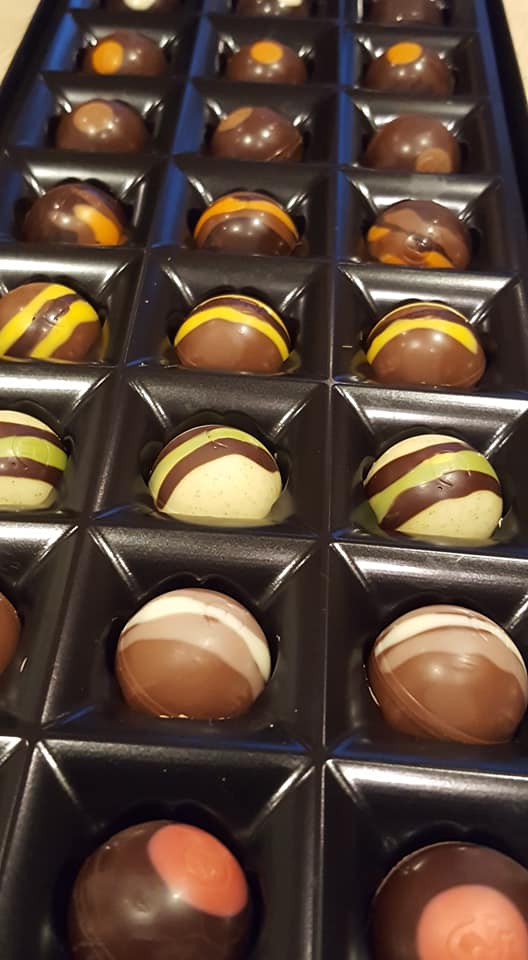 If you’ve ever gone blank or felt indecisive under pressure, you have experienced this hijack. Stress can be a physical threat or a perceived psychological one; both trigger cortisol and adrenaline, suppressing the rational control of your thinking brain.
When it comes to food, logic can be overridden by intense cravings for sugary, fatty foods and rapid, impulsive eating. The survival brain seeks immediate safety, treating food as a biological pacifier. There’s no concept of the future, only a need for a quick fix—much like trying to reason with a panicked toddler in a supermarket.
This physical shift trades high-level reasoning for survival shortcuts. Forgetting things or going blank isn’t a personal failure; it’s your body trying to keep you safe, whether there’s an actual threat or not.
Under Pressure: How Cortisol Alters Your Decision-Making and Focus
The thinking brain doesn’t shut down like a blown fuse- you can still make rational decisions, but doing so requires significantly more effort, leading to rapid mental fatigue. Power is cut to complex processing, forcing the brain to defer to those routine habits and gut instincts.
Think of cortisol as a dimmer switch. Stress enters a ‘battery saver mode’, turning down the lights on creative, analytical thinking and forcing your brain to rely on faster, simpler pathways.
Hyper-Vigilance vs Analytical Focus
Cortisol forces your brain to become hyper-alert to sensory details- your pupils dilate, hearing sharpens, and you rapidly process environmental data to spot escape routes. Mental energy shifts entirely to the present moment, powering down strategic, long-term planning. In contrast, your thinking brain thrives on logic, analysis, impulse control, and future goals.
Signs Your Brain Is Flooded With Cortisol and Adrenaline
- Indecisiveness: Making simple choices, like picking a lunch option or prioritising your to-do list- it might feel agonisingly difficult.
- Task Paralysis: Staring at a long to-do list in a frozen state. When facing an overloaded inbox, cortisol can impair your ability to categorise or separate information, causing your brain to react as if a predator is in the room.
- ‘Ping Pong’ Brain: Feeling like you have too many mental tabs open. You might jump from writing an email to checking social media, browsing online or boiling the kettle, starting many tasks but finishing none as adrenaline forces you to scan for threats.
- Going Blank: Cortisol directly interferes with the hippocampus, which manages memory. You might walk into a room and forget why you entered, or struggle to recall basic words.
- Irritability and Restlessness: Experiencing a racing heart, an inability to sit still, or overreacting to minor issues. This hyper-vigilance leaves you in a ‘tired and wired’ state that disrupts sleep.
The Two-Phase Stress Response: Undereaters vs Overeaters
The stress response shuts down non-essential functions like digestion via the sympathetic nervous system. Conversely, the parasympathetic nervous system enables you to ‘rest and digest’, and it is this system which needs to be active in order to make mindful food choices.
Whether you lose your appetite or overeat depends on your biology, temperament, and the stage of your stress. Stress releases different hormones over time:-
 Acute Stress (Adrenaline Phase): Immediate shocks trigger adrenaline, which shuts down the parasympathetic nervous system- blood redirects from your stomach to your muscles, which can completely suppress hunger or cause nausea. ‘Sympathetic-dominant’ undereaters might remain locked in this high-adrenaline state for hours.
- Chronic Stress (Cortisol Phase): If stress persists, adrenaline fades but cortisol stays high. This cortisol ‘hangover’ can cause a huge appetite surge in order to replenish the energy your body thinks it’s spent fighting a threat. It alters hunger hormones like ghrelin, triggering intense cravings for energy-dense sugary or fatty comfort foods to temporarily quiet the brain’s alarm system. Cortisol-sensitive overeaters are highly vulnerable to this, using hyper-palatable foods to soothe emotional discomfort when self-control is impaired.

Tools To Regulate Stress Without Turning To Food
When overwhelm hits, it can be helpful to apply ‘first aid’ to your nervous system. Because you can’t easily reason with a panicked survival brain using logic, try using your physical body to signal that the danger has passed. For example:-
- Change your breathing: take 5 to 10 deep breaths. Focus heavily on the exhalation- exhaling activates the parasympathetic nervous system, relaxing the fight-or-flight response and re-orientating you to your surroundings.
- Create physical distance: put a physical boundary between yourself and the food. At the same time, use your senses to ground you, such as stepping outside for a stroll, stretching, or looking out of the window to watch the street or look at the garden.
- Try an ‘orienting scan’: let your eyes land on up to twenty neutral objects and either name them out loud or go over them in your head (e.g., “Lampshade, table, rug, door handle, phone”). This settles the mind and reopens cognitive processing.
- Speak out loud without judgement: verbalising your state activates the thinking brain. Try saying: “I am safe, but my survival brain is on red alert and looking for a quick fix. This feeling will pass.”
- Label the emotion: naming your feeling (e.g., “I’m feeling high anxiety right now”) instantly lowers amygdala activity.
- Do a body scan: check for physical tension. Are your shoulders raised? Is your jaw clenched? Are you shallow breathing? Is your chest pounding? Are you twitching your leg, or biting your nails? Become aware of how stress might typically manifest in your own body- this is useful feedback, signalling that you might benefit from taking time out or deploying your own personal toolbox of stress-reduction techniques.
- Set a 10 minute delay on a food craving: try setting a timer. If the craving is still an 8 out of 10 after 10 minutes, you can allow yourself to eat, as strict bans using willpower often fail when we’re stressed. If the urge has dropped, identify what your body actually needs instead, for example, a nap, peaceful music, a blanket and a hot drink, emotional support, a hug, a funny video, silence, a break from work or social media, some time in nature or some stretches.
To transition from the survival brain to the rational brain, ask yourself this really useful check-in question: ‘What do I need right now other than food?’ Look for the true emotional and/or physical comfort your body is in need of.
Instead of fighting food, get curious about your emotional triggers (certain people, places, or situations). If you do decide to eat, choose a stabilizing snack packed with stress-fighting nutrients that balances your blood sugar levels, rather than consuming a quick fix of sugar that will cause a crash soon afterwards.
Body-to-Brain Reset
Your brain constantly monitors physical cues to evaluate danger. Staring unblinkingly at a screen while breathing shallowly signals to your brain that a ‘threat’ is ongoing. Because you cannot argue with a flooded amygdala, using physical and structural actions to signal safety can be a great help, shifting your nervous system out of survival mode and bringing your rational brain back online.
- Box breathing: Inhale for 4 seconds, hold your breath (lungs full) for 4 seconds, exhale for 4 seconds, and hold (lungs empty) for 4 seconds. Repeating this cycle just three or four times can break the adrenaline surge, lowers your heart rate and tells your survival brain that the immediate danger has passed.
- The brain dump: Clear mental clutter by moving tasks out of your head and onto paper. Writing everything down stops your brain from treating abstract responsibilities like a swarm of invisible threats.
- Shrink the goal: When a project feels insurmountable, your brain chooses the immediate relief of procrastination over the discomfort of starting. Try shrinking down the task until it feels manageable. Instead of telling yourself to ‘write the report’ or ‘clean the house’, take one micro-step- this can help to counter your internal alarm system, break the freeze state, and build momentum.
- Stop rushing: think about how often you’re in a hurry. Are you always rushing against time, cramming things in? Rushing signals to your body that there are threats around, putting your body in a hyper-alert, stressed state. Over time this can lead to exhaustion. Consider how much you try to pack in on a daily basis, or whether you underestimate how long tasks are going to take, leaving you short of time.

How Mindful Eating Can Quieten The Survival Brain
Whilst you can wait until you feel calm to eat, you can also use various mindful eating techniques at mealtimes to help regulate your stress levels, clearing the cortisol fog so that your thinking brain can take the lead.
- Engage your senses before the first bite: cortisol can make us grab food impulsively and eat rapidly. This is the survival brain demanding fast energy to outrun a threat. Instead, pause for 10 to 20 seconds before eating. Notice the colours of your food and inhale its aroma. This sensory pause acts as a speed bump for a racing mind, grounding you in the present moment.
- The 20 chew challenge: an anxious brain wants to gulp food down to return to fighting the perceived threat, which can override fullness signals and causes overeating. Try chewing just your first three mouthfuls twenty times each. This physical slowdown sends a powerful biological message to your brain: ‘We are chewing slowly, which means we’re not running from a predator.’ Your nervous system will respond by dialling down adrenaline.
- Don’t ‘screen-eat’: eating whilst scrolling, watching the news, or reading work emails keeps your brain in a state of hyper-vigilance. This can prevent you from processing the joy and satisfaction of your food. Try to avoid eating at your desk or in front of screens. Even if a lunch break feels impossible, commit to just ten minutes of screen-free time as a non-negotiable rule of self-care.
Summary
If you reach for quick-fix comfort food, don’t beat yourself up. Telling yourself off only fuels guilt and shame, creating a cycle that perpetuates stress and keeps you feeling out of control. Simply notice that it happened, practice self-compassion, and move on. Think about what strategies you could try next time you feel at risk of stress eating or comfort eating- setting intentions in advance can be powerful.
When tackling emotional eating, stop viewing it as a personal failure or a food problem. Instead, focus on managing the underlying biological alarm that triggers reactive eating.
The next time you feel frozen, overwhelmed, or indecisive, remember that it’s not a willpower issue. Your brain is simply following an ancient survival blueprint. It’s human! By changing your breathing, and taking other intentional micro-steps that give the body the message that all is well, you can seamlessly steer your brain out of panic mode and back into focus.