 Principles Of Mindful Eating
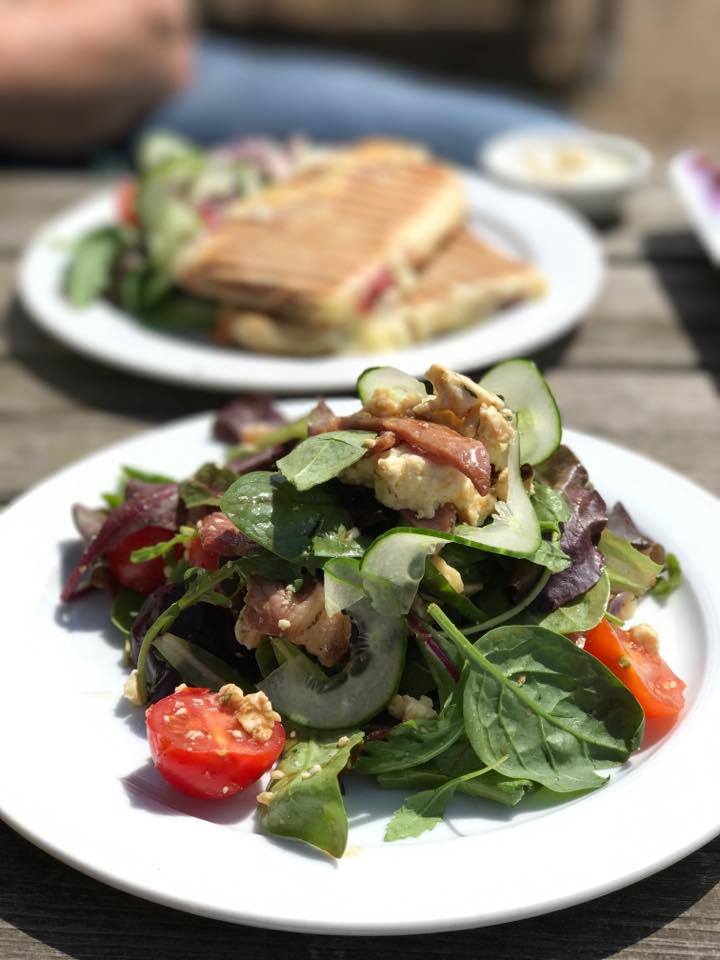
Mindful eating can help you to develop a better relationship with food by having enjoyable eating experiences that are both physically and psychologically satisfying. It’s about being fully present with the food you’re eating in any given moment, engaging your senses to savour and appreciate your food, nourish the body in the process, and being thoughtful about whether it’s time to eat and when you’ve had enough to eat. When you become more aware of how you currently eat, you can start making small changes that help you to address problematic habits such as mindless overeating and achieve more flexible, balanced eating.
Eating According To Internal, Not External Cues
It’s not the case that overeating equates to enjoyment; overeating is usually a reflection of mindless eating (not paying attention to what, how, why, and how much you’re eating), or a symptom of emotional eating. The aim of mindful eating is to enjoy less food more. This doesn’t mean less in terms of restrictive amounts, but eating an amount that’s in tune with your body’s needs. It’s really easy to overestimate how much food we need, and portions sizes have increase over the decades, so we’ve got used to eating larger amounts of food. Many people say they can’t leave food on their plate, which often stems from childhood, where parents might have told you that you wouldn’t get any pudding if you didn’t finish your meal- as they grew up, this may have caused them to lose touch with their body’s signals, and as adults they now feel they can only stop eating when the plate is empty, not when they’ve had enough to eat. Mindful eating is about tuning into and respecting your body’s signals, instead of finishing your food out of habit to the point of feeling stuffed.
Thinking Before You Eat
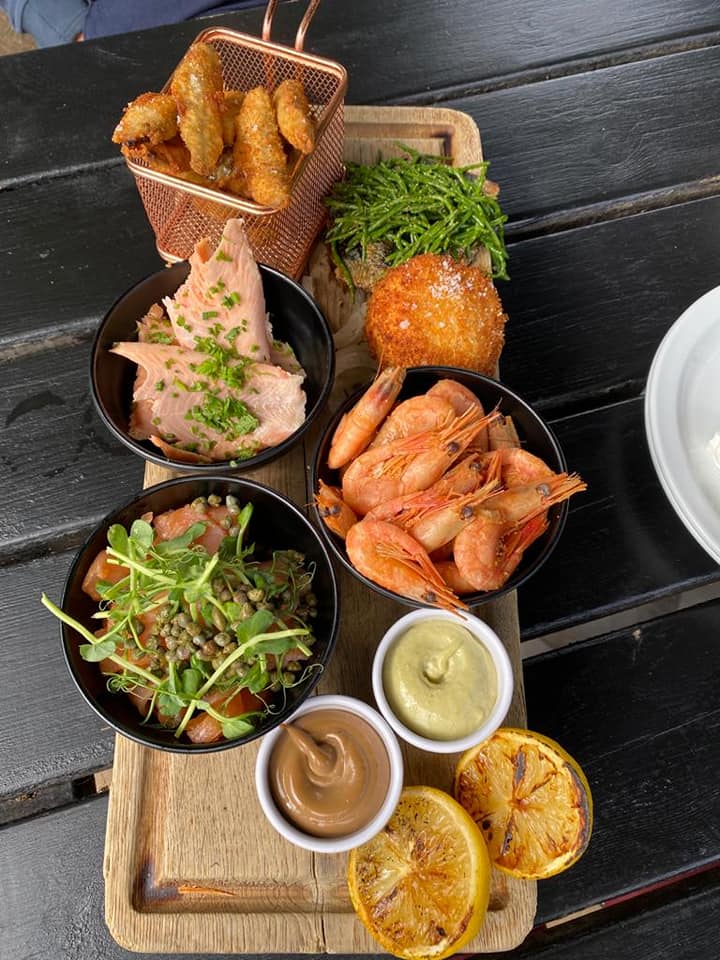 A great way to engage the brain is to pause- consider your food options and take a few moments to consider whether to eat, what to eat, and how much to eat. If you don’t feel like food in that moment, then pass on it- you can always go back and have it later. There will always be external triggers to eat (such as the sight and smell of food), but by slowing down and considering your options you can make helpful food decisions that are in your own best interest.
Realistic, Not Perfect Eating
Try to avoid allowing the majority of your food choices to be purely taste-bud driven- consider your nutritional needs too. Think 80/20- mindful eating isn’t about perfect eating, but it’s about factoring in both taste (enjoyment) and nutrition most of the time. It’s ok to eat mindlessly from time to time, and we can’t expect to stick to a rigid routine all the time as not every week is the same. Life can throw challenges at us and we also have to consider social events and holidays. Cultivating a more flexible, realistic approach to eating can help us to manage being thrown out of the routine, and to not feel like our good intentions have collapsed.
Non-Judgemental Curiosity
Mindfulness encourages getting curious about yourself and the world in a non-judgemental way- making observations and responding in a calm, logical way. Many people describe themselves as having a bad relationship with food- they would describe themselves as emotional eaters. Guilt and shame around food choices and eating is common, and it’s a sign of a poor relationship with food. If you feel you’ve made a ‘bad’ food choice, move on, don’t let things snowball, and ask yourself how you can make a better choice next time. Or maybe that food choice wasn’t so bad afterall- what were the postives, the little wins? Our own assessment of our eating is key, as it determines how we feel, respond, and progress.
Don’t Label Foods As ‘Good’ Or ‘Bad’ And Give Yourself Permission
 Food shouldn’t be a battle ground, it’s there to be enjoyed, and it shouldn’t cause guilt and angst. It’s also about giving yourself choice and permission. No one food is bad, it’s how often you eat that food and how much of it you eat that counts. For people who have a long history of following weight loss diet plans, their ‘diet head’ tells them that foods are either ‘good’ or ‘bad’ or ‘allowed’ or ‘forbidden’; and yet, if we deny ourselves the foods we love, we only end up wanting them more. Categorising foods as good or bad just keeps people stuck in a food guilt rut. This is why learning the skill of ‘middle-way’ eating is far better than swinging between extremes of ‘good’ eating and ‘bad’ eating, and more sustainable long-term. All-or-nothing thinking is very common, and can cause extreme behaviours such as abstaining rigidly from certain foods or completely overeating them. An example is avoiding all biscuits whilst following a diet plan, but then giving in to the diet and eating a whole packet of biscuits. A more flexible, mindful approach on the other hand would be to allow yourself, as part of balanced eating, to savour one or two biscuits; and it’s not about eating any biscuit, but a biscuit you really enjoy- you’re being selective with what you eat, whilst giving yourself permission to go ahead, guilt-free.
More Satisfying Eating Experiences
The more we chew, the more the brain registers that food is being eaten, which can promote satiety (a feeling of fullness and satisfaction after eating). This is why fast eating is often linked to overeating, particularly if it’s mindless too, which usually happens when we’re distracted, or when we’re eating for emotional reasons, such as feeling upset, stressed, angry or bored. Mindful eating is being aware of the manner in which you’re eating, and your state of being, both physically and emotionally. If we’re stressed, for example, it can be hard to eat mindfully because our nervous system is in fight-or-flight mode. If you eat quickly, try slowing down, and not eating with too many distractions. Consider pausing during your next meal. For physical satiety, always think about including some protein and/or a little dietary fat with every meal and snack (eg: meat, fish, poultry, nuts, seeds, cheese, soya products, pulses). This helps to slow down the rate at which food gets digested and leaves your stomach, stabilising blood sugar levels.
 What Do You Really Need In The Moment?

Self-care is an integral part of mindful eating. If you’re not hungry, but thinking about food, a good question to ask yourself is: “What do I need right now, other than food?” Maybe it’s a nap, or a hug, a chat, a relaxing activity, or maybe you need to go and enjoy an energising or stimulating activity. Emotional eating is very common, and tackling it requires problem-solving. If we eat instead of addressing our true needs, we can end up operating at a surface level, and find it hard to stop using food as a coping mechanism.
Learning To Manage, Not Avoid, Temptation
Many people feel that in order to control their eating they need to go on a diet and remove all their ‘trigger’ foods from the house. But diets can be restrictive, unenjoyable and unsustainable, so it’s about learning to manage food. By learning to manage food temptation rather than avoiding food temptation we can build the skills to navigate successfully around the food environment- wherever that might be. Giving yourself choice and permission around food can help to reduce food cravings and a sense of deprivation. Read more mindful eating tips.
My Services
Interested In One-To-One sessions?
SPECIAL OFFER: Buy four sessions up front and get the 4th session HALF PRICE (£30). Email me to book a session or to arrange a FREE phone chat to discuss.
Webinar: ‘How To Stop Mindless Eating’. Visit Eventbrite to see the latest events schedule and to purchase tickets.