The Problem With Having A Weight Loss Goal
When clients tell me that they want to lose weight, that’s often their primary focus. However, a weight loss goal needs some preparatory work, or some foundation-building first. As a first step, get curious about your general eating habits. Do you eat large portions? Do you eat mindlessy and quickly? Do you binge eat? Are you a grazer? Do you experience FOMO around food when eating with others? Once you’re aware of not just what you eat but how and why you eat, you can be addressing your actual eating habits prior to, or alongside attempting to lose weight. If you don’t address any problematic eating habits and just go on a restrictive diet or other weight loss method, you could be setting yourself up to fail by re-gaining the weight a few months or years after reaching your weight loss goal. The key is to focus on permanent behaviour change, not just temporary measures such as very low calorie eating or over-exercising if you want to reach your goal and maintain your weight long-term. It’s essential to address those eating and lifestyle behaviours that made you overweight in the first place.
Most Weight Loss Clubs Focus On A Weight Loss Solution Only
Focus on long-term habit building, not just short-term outcomes. I’ve heard a lot of my clients say that they’re sick of dieting, and tired of weight loss clubs. A client once told me she was sick of her usual slimming club as it was the ‘same old stuff’, with the main topic of conversation being  how much weight people had lost. Weight loss clubs tend to reward the ‘biggest loser’ of the week. This client had come to realise that dieting wasn’t the answer for her any more- she still needed to lose weight but now she wanted a new ‘lifestyle’ approach to help her maintain her weight after losing it. People can have great results losing weight with weight loss clubs and other quick-fix solutions, but advice on how to improve your relationship with food is often lacking. Losing weight quickly and then knowing that after weight loss you’re most likely to go back to your old eating habits can be quite anxiety-provoking. Exploring and addressing why you might have a tendency to overeat alongside trying to lose weight can put you in a much better position, as you’re thinking ahead to what happens after the weight loss by setting up better eating habits that you feel you can stick to long-term.
Goal Setting Can Be All-Or-Nothing: Focus On Behaviour Change Too
A goal is a bit all or nothing- you either achieve it or you don’t, and it might even make you a bit impatient because the end result is all that you’re focusing on. If you’re not losing weight at the rate you want to, it can feel like failure. If you can start noticing any positive changes taking place with your eating, you then have another benchmark for success alongside the weight loss goal. It can feel like a great achievement when you start implementing new eating habits that feel good, such as eating and feeling satisfied with smaller portions, saying no to a dessert which everyone else is eating but not feeling like you’re missing out because you didn’t fancy it anyway, or perhaps opting for a healthier snack which you’ve realised you really enjoy, instead of your usual snack choice. Once you can see yourself implementing dietary changes that are enjoyable and achievable, you can start feeling confident that you’ll be able to adopt these new eating habits for life.
All-or-nothing behaviour such as avoiding all ‘bad’ foods and trying to eat ‘perfectly’ in an attempt to lose weight as quickly as possible can be hard to fit in with socialising and any other events involving food, whereas if you can be a bit more patient and aim for slower, steadier weight loss and a more flexible approach to food you won’t feel like you’re sabotaging yourself every time you have a social event- social events don’t have to feel like a roadblock, but an opportunity to eat mindfully as part of your weight loss process. Long-term behaviour change is the only way to guarantee long-term weight control, and that includes sustainable routines for both diet and lifestyle.
The Weighing Scales: A Double-Edged Sword
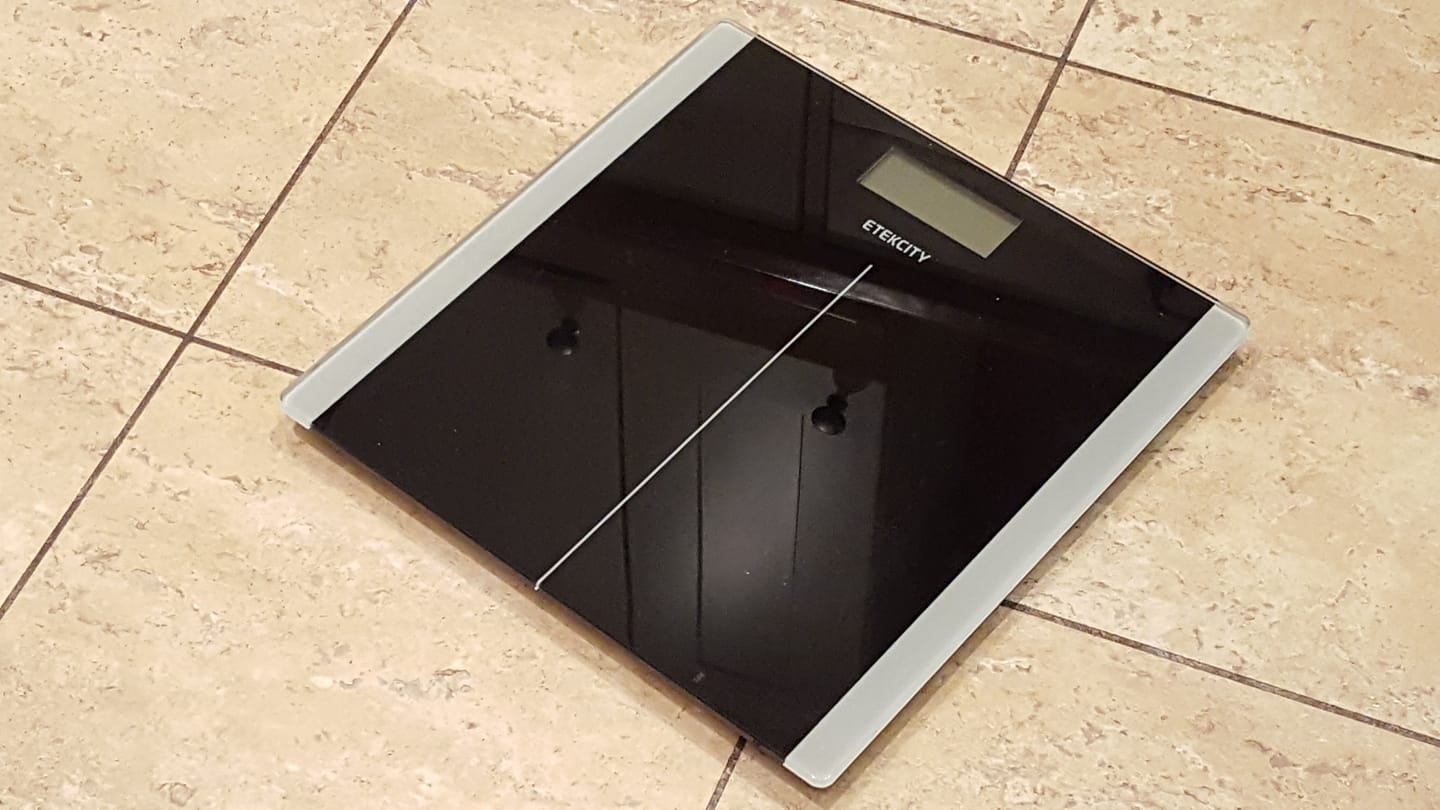 If you’re losing weight, the weighing scales can be very motivating, but if you’re not losing weight it can be very demotivating, especially if you think you’ve been ‘good’ with your eating all week. The limitation with weighing ourselves is that it might tell us if we’re losing weight but it doesn’t give us any indication about progress in terms of healthier eating habits. Many people tell me they want to lose weight but they also want to tackle their eating habits, not just go on another diet- they’ve come to realise that going on a diet can be a pointless exercise if all that happens afterwards is weight re-gain. The key to successful weight loss and long-term weight management is to regularly check-in with yourself and ask: ‘Is positive, sustainable, behaviour change taking place?’.
Negative Effects On Mental And Physical Health
Any kind of crash diet or extreme exercising can have a negative impact on both mental and physical health. If a person is focusing on how many calories they’re eating rather than whether they’re including nutritious foods in their diet, they might become nutritionally deficient. A big focus on weighing scales results can overshadow the vital importance of factors such as good energy, balanced mood, bone health, muscle strength and healthy metabolism. It’s essential to make sure that you’re considering the quality, not just quantity, of calories. Some fad diets suggest cutting our certain food groups, which can encourage people to abandon balanced eating. The lower a person’s calorie intake is, the more important it is to ensure that they eat a nutrient-dense diet. A preoccupation with weight can also cause a poor relationship with food, eating disorders and low self-worth.
 Consistency Is Key

The key to permanent change is consistency- as long as you keep practising new habits they will stick and become automatic. Small changes here and there really do add up, and weight loss will be a natural by-product of your new eating and lifestyle habits. Once you’ve set up new habits, you’re likely to feel more confident in your ability to manage your weight long-term because your eating has become effortless and second nature. What’s the point of a weight loss goal if you haven’t built and consolidated the skills and knowledge along the way to maintain that goal?
Review Your Eating Periodically: Have Old Habits Slipped Back In?
Like anything, your eating habits need the occasional audit, self-reflection, the ability to observe and make adjustments where necessary. If you’ve lost weight, or you’re struggling to lose weight, it’s worth reflecting on whether you’ve slipped back into old habits. For example, maybe you started eating smaller portions but over time you’re back to your old portion sizes; perhaps you started eating more slowly but now you’re back to your previous fast eating; maybe you cut down from six lattes a day to two, but now they’ve crept back up to six; maybe you’d cut down your daily desserts to just weekends, but now you’ve gone back to daily desserts; perhaps you were having a few alcohol-free nights but now you’re back to drinking alcohol daily; maybe you stopped having seconds at meal times but now you’re back to second helpings. By occasionally reflecting on your current eating habits you become aware, and where there’s awareness there’s the power to make positive changes. Journaling can be a great tool to reflect on your current eating, jog your memory about past habits and remind you of your progress- it’s easy to forget how much progress you’ve made if you don’t jot it down, as real change often takes place gradually over time and we don’t necessarily notice it.
If You Want A Weight Loss Goal, Break It Down Into Chunks
If a person has a lot of weight to lose, they might see their weight loss goal as a huge mountain, and keep putting off attempts to lose weight. Decisions about how much weight you want to lose must be carefully considered, to establish how realistic and achieveable your weight loss goal is. Having a specific weight loss goal can give you clarity and focus, but if you have a lot of weight to lose, try breaking down your one big weight loss goal into smaller chunks to avoid feeling overwhelmed, and give yourself plenty of time to reach each of those smaller, individual goals. Patience is really key, and the great thing about gradual weight loss is that you can be more flexible with your eating. When you strike the balance between eating a bit less whilst not starving yourself, you’re giving the body the message that all is well. If the body perceives that it’s not starving it will be more willing to give up its fat stores. For long-term results, losing weight should be the result of a gradual process, not a short-term diet.
Connect With Your Body For Long-Term Success
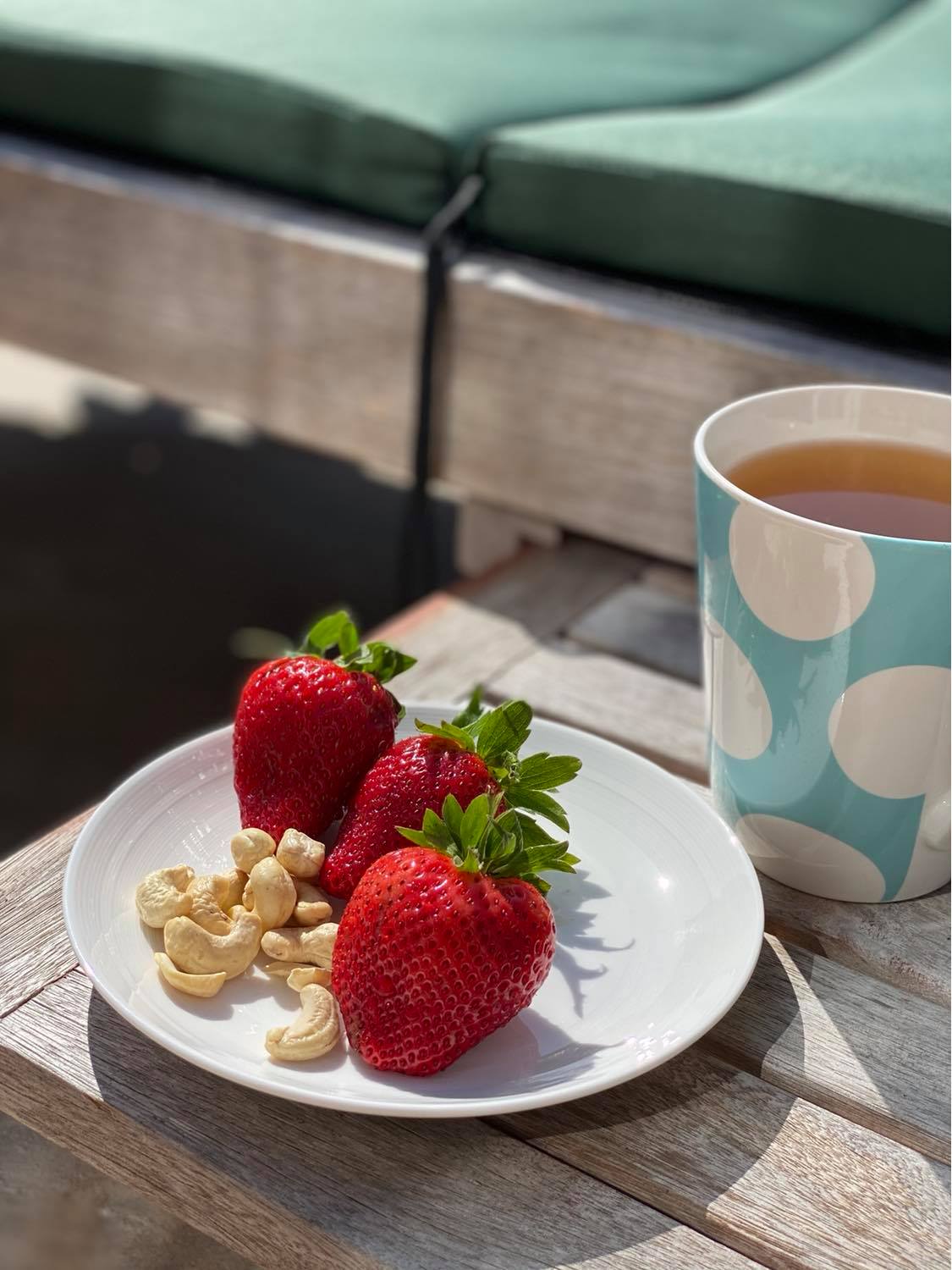 If a person has a weight loss goal, the need to see results might mean that they restrict their food and disconnect with their body- their body might be telling them it wants food, but they might deny it food if all they’re focused on is cutting calories. Some people with a history of yo-yo dieting lose touch with their body’s cues, which can include losing hunger sensations. The key to cultivating good eating habits is to connect with your body, listen to its cues to eat and its cues to stop eating; don’t disconnect with your body by following someone else’s rules about when and how much to eat. I often talk to clients about the importance of self-care, and part of that is nourishing your body with a wholesome, enjoyable way of eating, eating according to your own best interests rather than following a punishing regime that you can’t wait to finish.
Focus On Non-Scale Victories Too
It can be a really great feeling losing weight, but if you re-gain the weight it will be a complete waste of your effort, money and time- and psychologically, and physically, you can end up worse off. Don’t focus on whether or not you’re losing X amount of weight each week. Instead, think of more holistic progress- better physical and mental health too in the form of improved food choices and eating behaviours, a better overall relationship with food, better appetite management, better mood, more energy, improved fitness, a greater enjoyment of healthy foods, and greater self-belief and confidence at navigating the daily food environment. Cultivate a way of eating that, with practice, becomes natural and requires no effort- this has to be better than going on a restrictive diet that requires real effort to stick to it. Crucially, you will also have a much better chance of keeping the weight off.
My Services
One-to-Ones: SPECIAL OFFER: buy four sessions up front and get the 4th session HALF PRICE. Email me or give me a call (Emma Randall) on 07961 423120 if you would like to book some sessions or have a FREE phone chat to discuss. Read more about my one-to-one sessions.
Webinar: ‘‘How To Eat Normally And Lose Weight Without Dieting’.
Click HERE to see the events schedule and to purchase tickets for any of my events via Eventbrite.
Fortnightly Support Group: more information about my support groups can be found HERE.
Follow me on Facebook or Instagram.