 How To Stop Emotional Eating
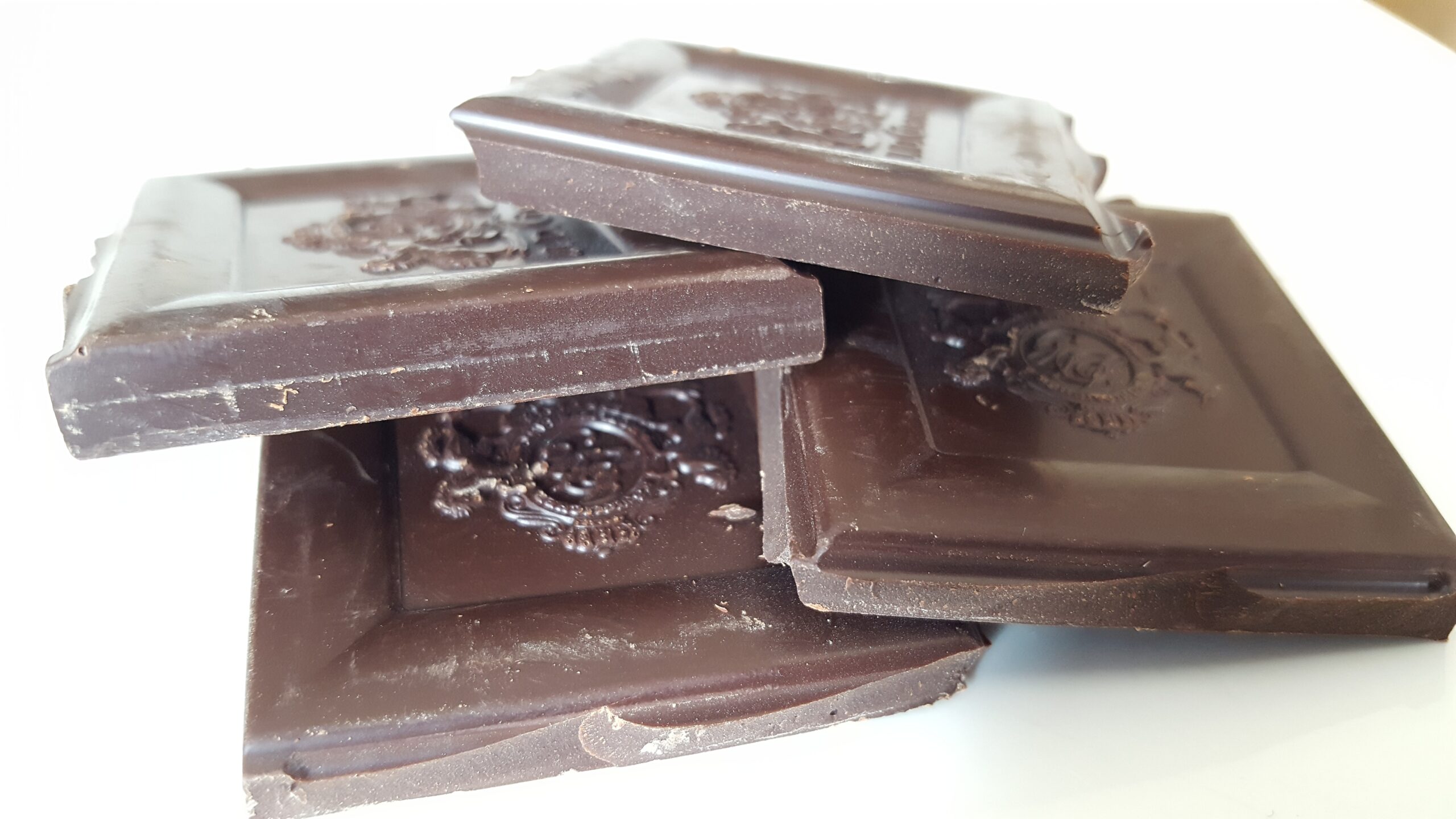
Emotional eating is eating for reasons other than physical hunger. Food and eating can symbolise different things to different people. For example, eating can be a way of having a break, it can have a calming effect, it can act as a distraction or provide a temporary release from difficult situations or from one’s own state of mind; it can be a way of taking or relinquishing control, and it can even be a means of rebelling or ‘rule-breaking’. Food might be used as a way to try and self-soothe or even self-punish.
Turning to food when tired, stressed or bored is common, and factors such as loneliness, sadness, anxiety, anger and frustration can act as triggers for emotional eating. Factors involved in emotional eating include:-
 ~ Our interpretation (or misinterpretation) of situations, events or conversations
~ Procrastination: some people might eat to put off tasks they don’t want to do
~ ‘Feelings phobia’: eating might be a way to take the focus off uncomfortable feelings
~ Negative self-perception (harsh inner critic or self-loathing): binge-eating can be an act of self-harm
~ Unmet needs: the need to fill an emotional void
~ Pleasure-seeking or reward-eating
~ Inability to express feelings and needs- eating instead of communicating
~ Stress: physiological triggers (the stress hormone cortisol can increase appetite) and psychological factors caused by stress can lead us to ‘self-soothe’ (though some people lose their appetite when they’re feeling stressed).
The problem with emotional eating is that it doesn’t solve problems. Turning to comfort foods can actually make a person feel worse due feelings of guilt and shame around what, and how much, they might have just eaten. Eating can become an easy alternative to problem-solving but it can perpetuate a sense of powerlessness or helplessness- it can put a delay between something we don’t want to do or address, and temporarily put us in a bubble or enable us to disengage with or escape from what’s going on around us. Eating can become a sticking plaster- whilst it may help a person to have a break or feel calm for a few moments whilst they focus on the process of eating, it might mean that they avoid doing something else that might be in their own best interest, such as communicating their needs or completing an important task.
Eating can become compulsive if a person gets into the habit of eating whenever things get difficult for them- food is constantly available, so it’s very easy to turn to food, especially ultra processed foods where all you have to do is open a packet. However, there can be little enjoyment when a person is eating for emotional reasons, particularly if their head is full of stressful or negative thoughts and feelings and they’re eating mindlessly. On the other hand, some people say that eating helps them to take a break from their thoughts or ‘internal chatter’ (perhaps they have a strong inner critic), and that they enjoy every mouthful. The problem with this is that it’s only a temporary solution. When it comes to turning to food to ‘cope’, food can become a false friend, and this is where a person’s relationship with food becomes problematic.
Stop Emotional Eating By Addressing How You Respond
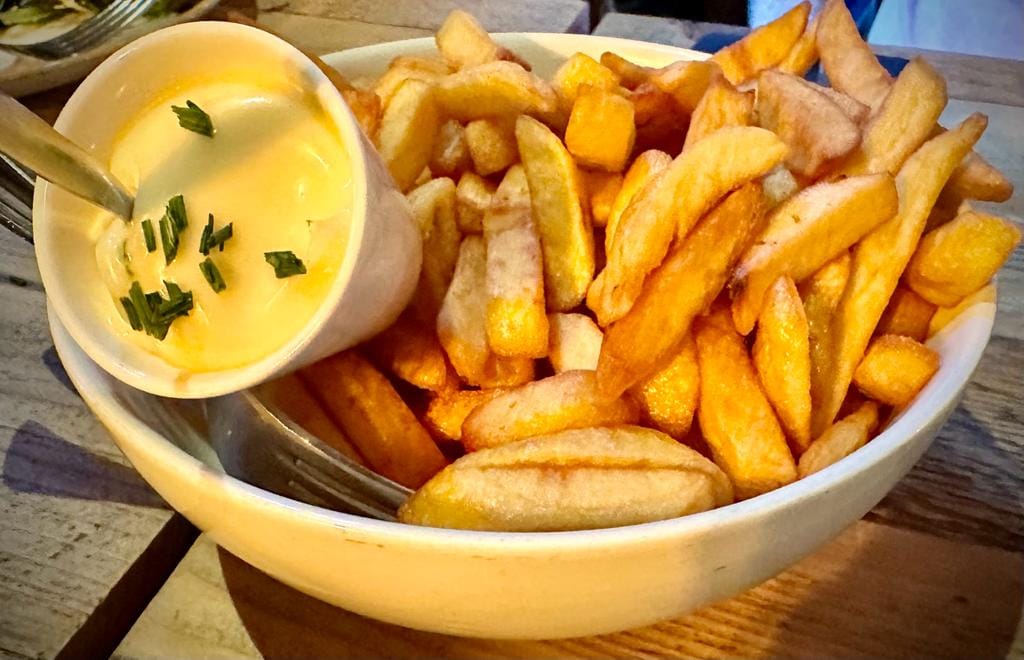 Whilst emotional eating can be triggered by a person’s general mindset or attitude (internal world), it can also be triggered by a specific situation, and that person’s response to it or interpretation of it. If you think of it like a chain, the chain starts with a trigger (an external event or situation), followed by an emotion in response to that trigger, followed by a message- something which the event and the resulting emotion is telling us about ourselves. That message we receive about ourselves might be unpleasant- something we feel we can’t tolerate. For example, being criticized by your partner might lead to you feeling rejected, and then the message you might get from that is a belief that you’re unlovable or worthless. If we look at emotional eating in this way, it’s clear to see why a person’s self-concept as well as their interpretation of events is a really important part of managing emotional eating, and highlights how thoughts affect feelings, which then affect behaviours (and vice versa).
Unresolved Issues: Connecting To Our Needs
One particular incident, event or situation can be linked to an emotional eating moment. For example, a stressed mother might blame her eating a whole  packet of biscuits on the bad behaviour of her child that day. But emotional eating can be more complex and ingrained than that, and if emotional eating is recurrent, it’s a sign that perhaps the person is using food as a long-term coping mechanism- perhaps a need is going unfulfilled or not being addressed. Think of it as short-term and long-term emotions. You might feel momentary anger at someone’s behaviour, for example, or there might be an unresolved theme (issue or concern) running through your life- it might be sadness, guilt, frustration, resentment or lack of control. Emotional eating can end up being the ‘default’ strategy, whereby food becomes your ‘friend’ and the first thing you habitually turn to whenever you experience an emotional upset. At the same time, if you’re battling to try and control bingeing or grazing then food can also be an enemy, where you’re constantly trying to fight the urge to eat- and often lose. Once a person begins to deal with personal issues and connects to their real needs, they can start to manage emotional eating because food will have much less pulling power. Most of the time it’s something else they need, it’s not food.
How Improving Your Self-Concept Can Help You Stop Emotional Eating
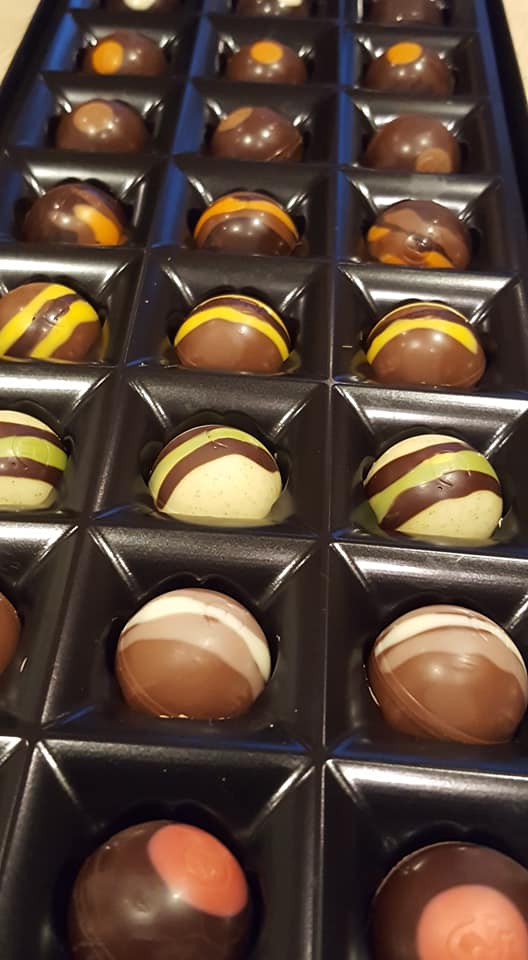 A person’s relationship with others as well as with themselves can influence their relationship with food. When it comes to emotional eating, familiar themes and patterns may come up based on how a person feels about themselves, which can then shape and fuel long-term emotional eating. For example: “I’m not good enough” or “I’m unloveable”. How you think you’re perceived by others can influence how you feel about yourself, whether or not those perceptions are correct. This is why ongoing, problematic emotional eating can be linked to a person’s self-esteem or self-worth. It can also be linked to a strong inner critic. They might have a negative inner voice that tells them that they’re useless, worthless, unloveable, inadequate, ugly or fat. Eating then becomes a way of silencing the inner critic (albeit temporarily), and filling up on junk food might also be a way of punishing oneself.
People who are always striving to be perfect at everything, or who fear failure or judgement from others can find life exhausting as they try to live up to unrealistic standards or expectations (often self-inflicted)- perhaps they’re people-pleasers and deplete themselves because they never allow themselves to rest or attend to their own needs. Eating might be the one aspect of their lives where they allow themselves to let go, where food becomes a pressure valve release, a reward. Some people say “I have control in pretty much every aspect of my life, apart from when it comes to food”.
This is why it’s important to encourage a person who is an emotional eater to start building a more positive self-perception incorporating self-care, self-compassion and self-love.
In order to improve your relationship with food, you need to improve your relationship with yourself.
Process, Don’t Store, Emotions
 If, as a child, you were not encouraged to express or acknowledge feelings, you might have started to turn to food as a coping mechanism. Allowing ourselves to identify, feel and express our emotions is an important part of being human, and it enables us to be our true authentic selves. It’s also important for physical and mental health. If we don’t give ourselves permission to acknowledge and express our feelings and needs, an inner tension may arise, and food or another substance (such as drink or drugs) might become an outlet- this might take the form of bingeing, or you might have a compulsion to nibble on food throughout the day or ‘graze’- grazing on food is still a form of emotional eating that might help a person to temporarily distract themselves from something else going on, or reduce tension. If a person binges on a lot of food in a short period of time, they might end up focusing on how physically uncomfortable they feel rather than how mentally uncomfortable they’re feeling- fulness becomes a mask, a form of numbing.
Often, patterns of behaviour learned in childhood stay with us into adulthood- however, once we learn to recognise the importance of feelings and emotional expression, we’re able to start fulfilling our needs and living a happier, fully authentic life. Recognising that feelings are useful messengers, or signals to us that something needs to be addressed, enables us to acknowledge and value them. If you can trust and honour your feelings, and not be fearful of them, you can start to rely on them as useful guides to help you navigate through life, begin a process of problem-solving, healing, and experience more open, fulfilling relationships with others.
An overweight body can be a symbolic storage vessel of unprocessed, stored emotions.
Food: Taking Us Back To Happy Moments
 Positive or negative childhood experiences can also be linked to emotional eating. For example, the nostalgia of eating certain foods as an adult which you ate as a child with a parent who is no longer with you, or eating certain foods to cherish or bring back memories you have of eating those foods at enjoyable past family gatherings or childhood activities; or you might have been rewarded with food for good behaviour, so you reward yourself now. You might find that your ‘inner child’ wants to be treated to specific foods that you enjoyed as a child, or you might feel drawn to certain foods that were comfort foods in childhood (for example, if you spent long periods alone as a child, a certain food might have become a ‘replacement’ for absent parents).
Hunger Versus Cravings: Knowing When You’ve Been Emotionally Triggered To Eat
 Emotional hunger (a psychological craving) tends to come on suddenly- it demands instant gratification, with a craving for a specific food such as chocolate, cake or pizza. Physical hunger, as a result of an empty stomach or low blood sugar levels, is a more gradual process; there might be less urgency to respond to it and it might involve a desire to eat but not necessarily a specific food. With emotional hunger we might crave fatty or sugary foods or certain textures. With emotional eating it’s often mindless- you might be unaware of how much or even why you’re eating, you might not even be enjoying it because you’re eating it quickly or not paying attention to the taste. With physical hunger we’re more likely to know when we’re full and stop eating accordingly, but with emotional hunger the urge to eat large amounts of food might be so strong that we choose to ignore any fullness signals, or we might have even lost touch with the feeling of fullness until it’s too late and we feel overly stuffed and uncomfortable. Get curious and try to identify what your most common eating triggers are. If you experience a sudden urge to eat, have a think about who, or what, might have caused it. You can read more about a person’s relationship with food.
It really is possible to stop emotional eating- I’ve seen transformational change take place with many of my clients. It’s about going on a journey of self-exploration, not being fearful of looking within, as well as changing how you might view yourself, others and the world. Addressing any misconceptions or crooked thinking, and reframing how we think about or respond to things can help us to manage our feelings which in turn can help us to manage our eating behaviours. Once you’ve achieved more self-insight, you can become less self-critical and more self-compassionate, which is the key to positive, long-term change.
One-to-one sessions SPECIAL OFFER (ongoing): buy four sessions up front and get the 4th HALF PRICE (£30). To book an appointment or to arrange a FREE phone chat to discuss, please email me. Sessions via Zoom, Teams or in person (Surrey-based).